B-roll is one of the most important elements of a wedding video. While the main footage captures important events such as the ceremony, speeches, and first dance, B-roll provides the details and atmosphere that help connect those moments together.
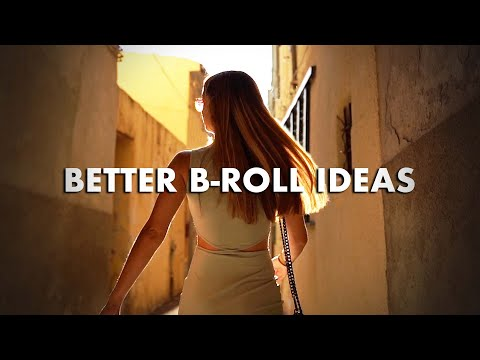
A good wedding film isn’t only about recording what happened. It’s also about showing the small details, emotions, surroundings, and interactions that make the day memorable.
With thoughtful planning and a few simple shooting techniques, you can capture B-roll that makes your wedding films feel more cinematic and complete.
What Is B-Roll in Wedding Videography?
B-Roll Supports the Main Story
B-roll is additional footage that complements your primary footage.
For a wedding, this could include:
- Wedding rings
- Dress and accessories
- Venue decorations
- Invitations
- Flowers
- Shoes
- Guests arriving
- Close-ups of hands
- Couple walking
- Parents reacting
- Guests laughing
- Table decorations
- Wedding cake
These clips can be used between major moments to create a smoother visual story.
B-Roll Gives You More Editing Options
Sometimes the audio from a speech or ceremony continues while the video changes to another shot.
B-roll allows you to cover those transitions without showing the same camera angle continuously.
It can also help hide cuts and make the final film feel more visually interesting.
Start With the Wedding Details
Photograph and Film the Small Things
Before the main activities begin, look for details that tell the story of the wedding.
Capture the rings, invitations, flowers, shoes, dress, jewelry, decorations, cake, chairs, tables, and other carefully prepared elements.
These details may seem small, but they help establish the atmosphere of the day.
Use Close-Up Shots
Move closer to important details and record them from different angles.
For example, instead of only filming the entire wedding cake, capture a wide shot of the cake table followed by close-ups of the decorations and smaller details.
This gives you more options when editing.
Capture the Venue Before Guests Arrive
Establish the Location
Try to arrive early enough to record the venue while it is still relatively quiet.
Capture wide shots showing the overall environment.
These shots can introduce the location at the beginning of a wedding film or provide transitions between different sections of the story.
Look for Interesting Angles
Don’t simply record the venue from standing height.
Try different perspectives, including low angles, side angles, shots through doorways, and frames that include foreground objects.
Small changes in perspective can make familiar locations look more interesting.
Film the Wedding Dress
Capture More Than One Angle
The wedding dress is often an important visual element.
Record wide shots showing the entire dress, followed by closer shots of the fabric, details, buttons, lace, or other distinctive features.
Use Movement Carefully
A slow camera movement toward or around the dress can add visual interest.
Keep the movement controlled and avoid unnecessary camera shake.
Capture the Bride and Groom Getting Ready
Look for Natural Moments
Preparations can provide some of the best documentary-style B-roll.
Instead of asking everyone to pose constantly, look for natural interactions.
Capture moments such as:
- Makeup application
- Adjusting clothing
- Putting on jewelry
- Fixing a tie
- Friends helping with outfits
- Parents interacting with the couple
- Quiet moments before the ceremony
Avoid Interrupting Important Moments
The goal is to document the preparation rather than constantly direct it.
Stay aware of the environment and give people space when necessary.
Use Different Shot Sizes
Wide Shots Establish the Scene
Wide shots show where the action is happening.
For example, a wide shot of the bride getting ready can show the room, people around her, and the overall atmosphere.
Medium Shots Show the Action
Medium shots can show what the subject is doing while still providing some environmental context.
Close-Ups Show Details
Close-ups are excellent for capturing emotional expressions and small details.
A strong wedding sequence often combines all three shot sizes.
Capture Movement
Film People Walking
Walking footage can be useful for transitions and couple sequences.
You could capture the bride walking toward the ceremony, the groom entering the venue, or the couple walking together after the ceremony.
Keep your movement controlled and maintain consistent framing.
Look for Natural Movement
Don’t force every shot.
Guests walking, people greeting one another, a veil moving in the wind, or someone adjusting their clothes can all provide useful B-roll.
Film the Couple Creatively
Try Different Perspectives
When filming the couple, don’t record every shot from the same height and distance.
Experiment with:
- Wide environmental shots
- Medium shots
- Close-ups
- Side profiles
- Over-the-shoulder shots
- Silhouettes
- Reflections
- Shots through foreground objects
This variety can make the final film feel much richer.
Give the Couple Simple Directions
If you are creating planned B-roll, keep your directions simple.
Instead of asking the couple to perform complicated poses, give them natural actions such as walking together, talking, looking at each other, or holding hands.
Natural movement often looks better on video.
Use Foreground Elements
Create Depth in Your Shots
One way to make B-roll more visually interesting is to place an object between the camera and subject.
You could shoot through:
- Flowers
- Curtains
- Doorways
- Decorations
- Leaves
- Chairs
This creates layers within the frame and can give your footage a more immersive appearance.
Don’t Hide the Subject
Foreground elements should enhance the composition rather than completely obstruct the important part of the shot.
Move around until you find a position where the foreground adds depth without becoming distracting.
Look for Reflections
Use Mirrors and Glass
Reflective surfaces can create creative B-roll without requiring complicated equipment.
Mirrors, windows, polished surfaces, and other reflective objects can provide alternative perspectives.
For example, you could capture a bride’s reflection while she prepares or use a window reflection for a couple’s portrait sequence.
Check for Unwanted Reflections
Before recording, look at the frame carefully.
Make sure your own reflection, equipment, or other distracting objects aren’t accidentally visible.
Capture Emotional Reactions
Don’t Focus Only on the Couple
Some of the strongest wedding footage comes from the reactions of other people.
Look for parents, siblings, friends, and guests reacting to important moments.
A parent’s expression during the ceremony or guests celebrating at the reception can add emotional depth to the final film.
Be Ready for Unplanned Moments
Emotional moments can happen quickly.
Keep your camera ready and pay attention to what is happening around you rather than only following the main subject.
Use Slow Motion Selectively
Record at a Higher Frame Rate When Appropriate
Higher frame rates can allow you to slow footage down during editing.
This can work well for:
- Dress movement
- Walking
- Confetti
- Dancing
- Smiles
- Hand movements
- Venue details
Don’t Shoot Everything in Slow Motion
If every clip is slowed down, the wedding film can lose its sense of natural rhythm.
Use slow motion for moments where it adds emotion or visual emphasis.
Capture the Reception Atmosphere
Film the Details Before the Party Starts
Before the reception becomes crowded, capture the decorations, tables, cake, lighting, stage, and other important details.
These shots can provide useful establishing footage.
Capture the Energy of the Dance Floor
During the reception, look for movement and reactions.
Film groups dancing, people laughing, friends celebrating, and close-up details such as hands moving to the music.
Mix wide shots with medium and close-up footage.
Think in Sequences
Don’t Shoot Random Clips
One of the biggest differences between ordinary event footage and strong B-roll is intentional sequencing.
Instead of recording one random clip after another, think about how several shots can work together.
For example:
Wide: Show the reception hall.
Medium: Show guests entering.
Close-up: Capture someone’s reaction.
Detail: Show the decorations.
Movement: Follow the couple entering.
These clips can later be combined into a coherent sequence.
Move the Camera With Purpose
Try Slow Push-Ins
A slow push toward a subject can create a feeling of intimacy.
Keep the movement smooth and avoid changing speed halfway through the shot.
Try Controlled Side Movements
Moving sideways past an object or subject can create depth and reveal new parts of the scene.
Use Static Shots Too
Cinematic B-roll doesn’t mean every shot needs camera movement.
A well-composed static shot can provide visual balance and make your moving shots more effective.
Pay Attention to Focus
Keep Important Subjects Sharp
Beautiful movement and composition won’t save a shot if the important subject is out of focus.
Use an autofocus mode you trust or manual focus when appropriate.
Be Careful With Very Wide Apertures
A very wide aperture can produce attractive background blur, but it also creates a shallow depth of field.
When subjects are moving, maintaining focus can become more difficult.
Choose your aperture based on both the desired look and the reliability of your focus.
Don’t Forget Audio
Capture Natural Sound
Even if your B-roll will eventually play underneath music, natural sound can add realism to a wedding film.
Record sounds such as footsteps, applause, laughter, room ambience, decorations moving, or other useful environmental sounds.
Use Audio to Connect Scenes
Natural sound can also help transition between different moments.
For example, the sound of guests applauding can continue underneath a different visual shot, helping the sequence feel connected.
Create a Simple B-Roll Checklist
Before the Ceremony
Consider capturing:
- Venue exterior
- Venue interior
- Decorations
- Rings
- Dress
- Shoes
- Flowers
- Invitations
- Groom preparation
- Bride preparation
- Guests arriving
During the Ceremony
Look for:
- Venue wide shots
- Couple reactions
- Family reactions
- Guests
- Hands
- Rings
- Decorations
- Walking moments
- Emotional reactions
During the Reception
Capture:
- Reception details
- Couple entrance
- Guest reactions
- Speeches
- Applause
- Cake
- Dancing
- Close-ups
- Wide crowd shots
- Couple interactions
Final Thoughts
Great wedding B-roll is about more than collecting beautiful random clips. It is about capturing details, emotions, movement, reactions, and environments that help tell the story of the day.
Think about variety. Combine wide, medium, and close-up shots. Mix static footage with controlled camera movement. Look for natural interactions instead of directing every moment.
Most importantly, think like a storyteller. Every B-roll shot should either show something meaningful, establish a location, reveal an emotion, provide visual variety, or help connect one part of the wedding story to another.
With practice, you’ll begin to see potential B-roll everywhere—and your wedding films will have much more visual depth.