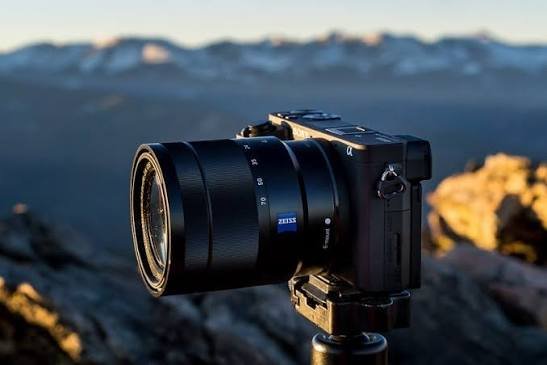
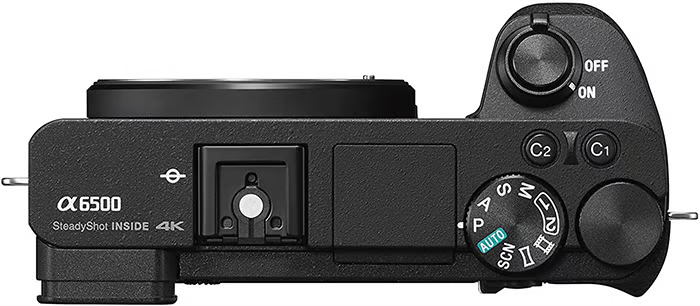
The Sony a6500 was released several years ago, but it continues to be used by photographers and videographers around the world.
With newer cameras such as the Sony a6700 and full-frame models becoming more affordable on the used market, many people are asking an important question:
Is the Sony a6500 still good enough for wedding videography in 2026?
The short answer is yes — but with some important limitations.
If you already own a Sony a6500, you don’t necessarily need to replace it immediately just because newer cameras exist.
The a6500 can still produce detailed 4K footage, has 5-axis in-body stabilization, fast autofocus and useful video features. Sony’s specifications confirm that it records 4K internally and offers 425 phase-detection AF points, 5-axis stabilization and picture profiles including Cine1–4, S-Log2 and S-Log3.
However, if you’re buying a camera specifically for professional wedding videography in 2026, there are several things you should consider.
Sony a6500 Video Specifications
Before deciding whether the camera is still suitable, let’s look at what it can actually do.
The a6500 has a 24.2MP APS-C sensor and can record 4K video.
For PAL users, including many users in Nigeria, the camera supports:
- 4K 25p
- Full HD 50p
- Full HD 100p
- XAVC S recording
- Picture Profiles
- S-Log2
- S-Log3
- Cine1–4
- 5-axis image stabilization
- External microphone input
Sony lists 4K recording at up to 100 Mbps in 25p mode.
That is still perfectly usable for wedding filmmaking.
1. The 4K Image Quality Is Still Good
This is probably the biggest reason the a6500 remains relevant.
The camera can record highly detailed 4K footage.
If you combine it with a good lens and good lighting, you can produce footage that looks professional even in 2026.
You don’t need a brand-new camera to create good wedding videos.
The person operating the camera, the lighting, composition, lens choice and editing can have a bigger impact on the final result than simply having the newest camera body.
Independent testing of the a6500 also found its 4K output to be highly detailed.
2. 25fps 4K Is Perfectly Usable for Weddings
For wedding videography, you don’t necessarily need 4K 60fps.
If you’re delivering normal-speed cinematic footage, 25fps can work extremely well.
A simple setup would be:
4K
25fps
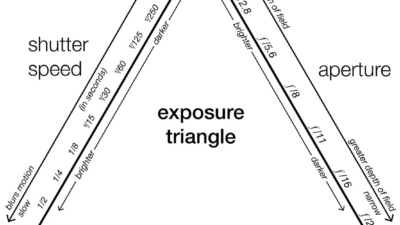
1/50s shutter
For slow motion, you can switch to:
1080p
50fps or 100fps
and slow the footage down during editing.
The a6500 supports Full HD recording at up to 100p in PAL mode, according to Sony’s specifications.
This means you can still create:
- Slow-motion bride entrances
- Groom preparation shots
- Dancing shots
- Dress movement
- Couple walking shots
- Detail shots
- Creative wedding B-roll
3. The 35mm Lens Makes the Combination Even More Useful
If you’re using a 35mm lens with the a6500, you have a very practical wedding setup.
Because the a6500 uses an APS-C sensor, a 35mm lens gives you a field of view similar to approximately 52.5mm on full frame.
That makes it useful for:
- Couple portraits
- Preparations
- Medium shots
- Interviews
- Wedding details
- Walking shots
- Gimbal shots
- Reception footage
A fast 35mm lens can also help considerably when shooting indoors or at wedding receptions.
If your lens has an aperture around f/1.7–f/1.8, you can let in considerably more light than you would with a slower kit lens.
4. Autofocus Is Still Useful
The a6500 has 425 phase-detection AF points and Sony designed its Fast Hybrid AF system for both stills and movies.
That makes it useful for wedding situations where subjects are constantly moving.
For example:
Bride walking down the aisle
Couple walking toward the camera
Groom moving around during preparation
First dance
Reception entrance
You can use continuous autofocus to help maintain focus as the subject moves.
However, don’t expect the autofocus performance to match Sony’s newest AI-powered cameras.
This is one area where newer cameras have a clear advantage.
5. The 5-Axis Stabilization Is a Big Advantage
The a6500 has built-in 5-axis image stabilization.
Sony rates the stabilization at up to approximately 5 stops under its specified testing conditions.
This is useful for handheld wedding videography.
It can help reduce small camera movements when shooting:
- Preparations
- Ceremony details
- Reception footage
- Guest reactions
- Handheld B-roll
However, don’t confuse IBIS with a gimbal.
If you’re walking while filming, a gimbal will generally give you a different type of movement and can produce smoother tracking shots.
6. The Biggest Problem: No 4K 60fps
This is one of the biggest disadvantages of the a6500 in 2026.
The camera does not offer 4K 60fps.
Its PAL 4K modes top out at 25fps, while higher frame rates are available in Full HD.
Newer cameras can give you much more flexibility.
For example, if you want:
4K 50/60fps
for high-quality slow motion, the a6500 isn’t the right tool.
You can still create slow motion with the a6500, but you’ll need to use Full HD for its higher frame-rate modes.
For many wedding filmmakers, this won’t be a deal-breaker.
But if 4K slow motion is important to your workflow, it’s a significant limitation.
7. Rolling Shutter Can Be a Problem
Another limitation is rolling shutter.
When you shoot 4K and make fast horizontal movements, vertical objects can appear to lean or distort.
This can be noticeable when:
- Panning quickly
- Following fast movement
- Shooting from a moving vehicle
- Making rapid gimbal movements
Independent testing specifically identified rolling shutter as a significant weakness of the a6500’s 4K video.
The solution is simple:
Don’t whip-pan unnecessarily.
Move the camera deliberately and smoothly.
This is especially important when you’re using a gimbal.
8. Low-Light Performance Is Usable, But Don’t Expect Miracles
Wedding receptions can be extremely difficult for any camera.
You may have:
- Dark halls
- Coloured DJ lights
- Very bright LEDs
- Spotlights
- Almost no ambient light
The a6500 can handle reasonable low-light situations, but newer sensors and processors can give you more flexibility.
This is where a fast lens becomes very important.
A 35mm f/1.7 or f/1.8 lens can be much more useful for reception work than a slow kit zoom.
For example, instead of shooting:
f/5.6 → ISO 6400
you might be able to shoot:
f/1.7 → ISO 1600
depending on the lighting.
The actual exposure will depend on the scene, but the principle is important.
A fast lens can make an older camera considerably more capable in low light.
9. Battery Life Is Something Wedding Videographers Need to Consider
Sony’s specifications rate the a6500’s actual movie recording battery life at approximately 65–70 minutes, depending on whether you’re using the viewfinder or LCD under the stated test conditions.
For a wedding, that’s not enough to rely on one battery.
If you’re using an a6500 professionally, carry multiple batteries.
A practical wedding kit might include:
- Several NP-FW50 batteries
- Multiple memory cards
- USB power option where appropriate
- Power bank
- Battery charger
Don’t wait until your camera displays a low-battery warning before thinking about power.
10. Overheating Can Be a Concern
This is another area where the age of the camera shows.
Long 4K recording sessions can put significant heat into the camera.
Older testing of the a6500 noted overheating concerns during extended recording, along with automatic LCD dimming while recording 4K.
For wedding videography, this means you should avoid treating the a6500 like a dedicated cinema camera that can simply record continuously for hours.
Instead:
- Give the camera breaks when possible.
- Avoid leaving it recording unnecessarily.
- Keep the camera out of extreme heat when possible.
- Monitor the camera during long recording periods.
This is particularly important for outdoor Nigerian weddings where temperatures can be high.
11. The Lack of a Headphone Jack Is a Serious Limitation
This is probably one of the most frustrating things about using the a6500 professionally for video.
The camera has a 3.5mm microphone input, but Sony’s specifications list no headphone terminal.
That means you can connect an external microphone, but you don’t have the normal headphone output for monitoring the audio directly from the camera.
For wedding videography, this matters.
Audio problems can ruin an otherwise beautiful wedding film.
If you’re recording important speeches or vows, consider using an external recorder or another audio-monitoring solution rather than depending entirely on the camera’s built-in audio.
12. The a6500 Can Still Work Extremely Well on a Gimbal
The relatively compact body makes the a6500 a convenient camera for gimbal work.
Pair it with a lightweight 35mm lens and you have a relatively manageable setup.
This can be useful for:
- Couple entrances
- Bride walking
- Groom walking
- Couple portraits
- Reception shots
- Creative B-roll
The key is to balance the camera properly.
A poorly balanced camera can cause:
- Motor vibration
- Battery drain
- Unstable footage
- Gimbal overheating
- Poor stabilization
The gimbal should complement the camera, not compensate for a badly balanced setup.
13. What Settings Would I Use for Weddings?
If I were using the a6500 for a wedding, I’d keep the setup relatively simple.
Normal cinematic footage
Resolution: 4K
Frame rate: 25fps
Shutter: 1/50s
Aperture: f/1.7–f/2.8 depending on the shot
ISO: As low as practical
Focus: AF-C when tracking people
White Balance: Manual when lighting is consistent
Picture Profile: A profile you can expose and grade consistently
Slow motion
Resolution: Full HD
Frame rate: 50fps or 100fps
Shutter: Approximately 1/100s or 1/200s
Aperture: Adjust according to lighting
Use slow motion selectively rather than shooting the entire wedding that way.
14. Is the a6500 Good Enough for Professional Wedding Work?
Yes.
But there’s an important distinction.
The camera can produce professional-looking footage.
That doesn’t mean it is the easiest camera to use professionally in 2026.
A professional wedding videographer needs to think about:
Reliability
Battery life
Audio
Low-light performance
Autofocus
Heat
Backup cameras
Storage
Client expectations
This is where newer cameras start to make more sense.
15. Should You Buy a Used Sony a6500 in 2026?
If you’re considering buying one used, it can still make sense if the price is right.
I would consider the a6500 if:
- Your budget is limited.
- You primarily need 4K 25/30p.
- You already own Sony E-mount lenses.
- You’re comfortable working around its limitations.
- You plan to use a fast lens.
- You have a second camera for backup.
I would be more hesitant if:
- You need 4K 50/60p.
- You shoot long continuous recordings.
- You need reliable headphone monitoring.
- You regularly shoot extremely dark receptions.
- You want the latest autofocus.
- You’re building a professional wedding kit from scratch.
16. Should You Upgrade From the a6500?
If you already own an a6500, don’t upgrade just because it’s old.
Upgrade because you have identified a limitation that is actually costing you work.
For example:
“I need 4K 60fps.”
That’s a valid reason.
“The autofocus isn’t reliable enough for my wedding work.”
Also valid.
“I need better low-light performance.”
Valid.
“I need better battery life.”
Valid.
But if you’re currently producing good wedding videos and your clients are happy, your money may be better spent on:
- Better lenses
- Lighting
- Audio equipment
- Gimbal
- Extra batteries
- Storage
- Computer upgrade
- Backup camera
rather than immediately replacing the camera body.
Sony a6500 in 2026: Pros and Cons
| Pros | Cons |
| Excellent 4K 25p quality | No 4K 50/60p |
| Compact body | Older autofocus system |
| 5-axis IBIS | No headphone jack |
| 425 phase-detection AF points | Battery life is limited |
| Fast Hybrid AF | Can overheat during long 4K recording |
| Picture Profiles | Rolling shutter in 4K |
| External microphone input | Older video features |
| Affordable used | Full HD quality is less impressive than its 4K |
| Good with fast prime lenses | No newer AI subject recognition |
Final Verdict: Is the Sony a6500 Still Good for Wedding Videography in 2026?
Yes — absolutely.
But I’d describe it as a capable budget/legacy wedding camera rather than a modern professional hybrid.
The Sony a6500 still gives you:
4K video + good autofocus + 5-axis stabilization + picture profiles + a large APS-C sensor + excellent lens compatibility.
Those are still useful features in 2026. Sony’s own specifications confirm its 4K recording, 425-point phase-detection AF and 5-axis stabilization.
Its biggest weaknesses are equally clear:
No 4K 60p, limited battery life, no headphone jack, rolling shutter and potential heat issues during long 4K recording.
So if you already own an a6500, keep using it and learn to get the most out of it.
Pair it with a good fast lens, good audio, proper lighting and a reliable backup camera, and you can still shoot beautiful wedding films with it.
The camera may be old.
Your footage doesn’t have to look old.
Frequently Asked Questions
Is the Sony a6500 still worth buying in 2026?
It can be, especially as a relatively affordable used camera for 4K 25/30p video. Its value depends heavily on the used price and your requirements.
Can the Sony a6500 shoot professional wedding videos?
Yes. The camera can produce detailed 4K footage and has useful autofocus, stabilization and picture-profile options. The operator and overall production setup matter enormously.
Does the Sony a6500 shoot 4K 60fps?
No. Its 4K recording tops out at 25fps in PAL and 30fps in NTSC. Higher frame rates are available in Full HD.
Is the a6500 good in low light?
It can perform reasonably well, especially with a fast lens, but newer cameras generally provide more flexibility in difficult low-light situations.
Does the Sony a6500 have image stabilization?
Yes. It has 5-axis in-body image stabilization.
Does the Sony a6500 have a headphone jack?
No. It has a microphone input, but Sony’s specifications do not list a headphone terminal.
What lens is good for wedding videography on the a6500?
A fast 35mm lens is a very useful option for portraits, preparation, gimbal work and general wedding B-roll. A wider lens can be added for venues and tight spaces, while a telephoto or zoom can help with ceremonies.
Should I replace my a6500 with a newer camera?
Only if you need features the a6500 doesn’t provide. If you’re happy with your footage, investing in lenses, audio, lighting and backup equipment may provide a better return.