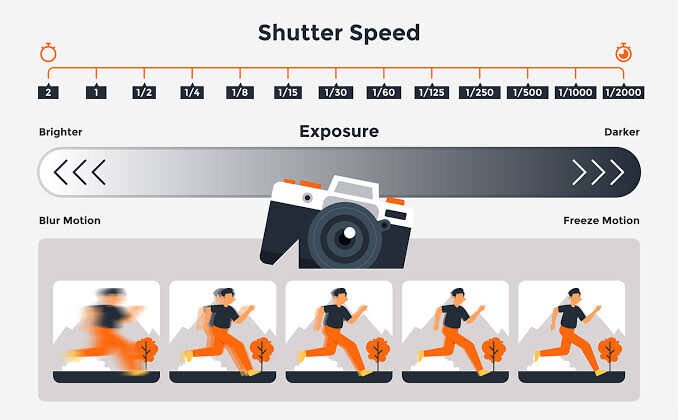
Shutter speed is one of the most important camera settings every photographer should understand. It controls how long your camera’s sensor is exposed to light and has a major effect on how movement appears in your photographs.
Whether you’re photographing people, sports, weddings, landscapes, or everyday moments, choosing the right shutter speed can help you capture sharper and more intentional images.
What Is Shutter Speed?
Shutter Speed Controls How Long the Camera Captures Light
Shutter speed refers to the amount of time your camera’s shutter remains open while taking a photograph.
It is usually measured in seconds or fractions of a second.
Common shutter speeds include:
- 1 second
- 1/2 second
- 1/10 second
- 1/30 second
- 1/60 second
- 1/125 second
- 1/250 second
- 1/500 second
- 1/1000 second
A shutter speed of 1/1000 second is much faster than 1/30 second.
Faster and Slower Shutter Speeds
A fast shutter speed allows the camera to capture a very short moment.
A slow shutter speed keeps the sensor exposed for longer.
This difference affects both exposure and the appearance of movement in your photographs.
How Shutter Speed Affects Exposure
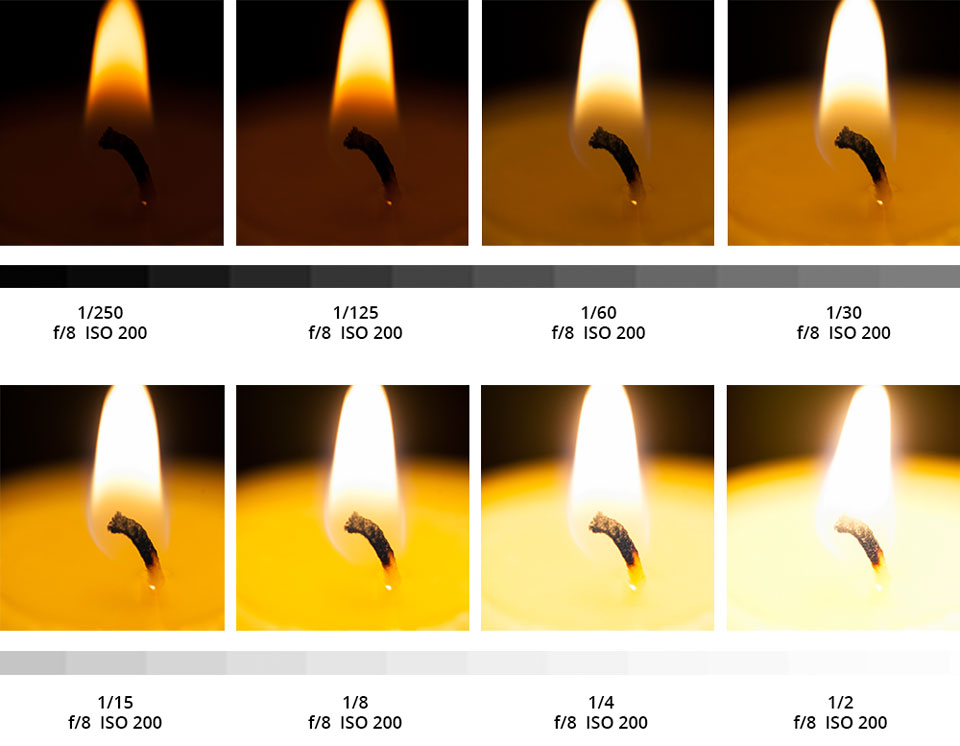
Fast Shutter Speeds Let in Less Light
Because the sensor is exposed for a shorter period, a fast shutter speed allows less light to reach it.
For example, 1/1000 second lets in less light than 1/125 second.
If your photograph becomes too dark after increasing the shutter speed, you may need to open the aperture or increase ISO.
Slow Shutter Speeds Let in More Light
A slower shutter speed gives the sensor more time to collect light.
This can be useful in dark environments, but it also increases the risk of motion blur and camera shake.
Shutter Speed and Motion Blur
Fast Shutter Speeds Freeze Movement
One of the most useful applications of shutter speed is controlling motion.
A fast shutter speed can freeze a moving subject.
For example, when photographing someone running, jumping, dancing, or playing sports, a faster shutter speed can help preserve sharp details.
Slow Shutter Speeds Show Movement
A slower shutter speed can intentionally introduce motion blur.
This can be used creatively to show movement in flowing water, moving vehicles, people walking, or other subjects.
Motion blur isn’t always a mistake. Sometimes it is exactly what the photographer wants.
Choosing Shutter Speed for Portraits
Start With a Speed That Reduces Camera Shake
For handheld portraits, your shutter speed should generally be fast enough to reduce the effects of your own hand movement.
The appropriate speed depends on your focal length, camera, stabilization, and how steady you are.
If your subject is moving, you may need an even faster shutter speed.
Increase the Speed for Active Subjects
A person standing still doesn’t require the same shutter speed as someone dancing.
For active portraits, increasing your shutter speed can help prevent the subject’s movement from creating unwanted blur.
Shutter Speed for Wedding Photography
Weddings Often Require Faster Settings
Wedding photographers frequently deal with movement. People walk down aisles, dance, hug, throw their hands in the air, and move around the reception.
Using a suitable shutter speed helps capture these moments sharply.
Don’t Forget About the Environment
Indoor wedding venues can sometimes be dark, which creates a challenge.
If you increase shutter speed too much, the image may become underexposed. You may need to balance shutter speed with aperture and ISO or use additional lighting.
Shutter Speed for Sports Photography
Fast Action Requires Fast Shutter Speeds
Sports photography is one of the clearest examples of why shutter speed matters.
Subjects can move extremely quickly, so photographers often use fast shutter speeds to freeze action.
The exact setting depends on the sport, lighting, lens, and desired amount of motion blur.
Experiment With Different Speeds
You don’t always have to completely freeze the action.
Try different shutter speeds and compare the results. A slightly slower setting can sometimes communicate movement better than a completely frozen frame.
Shutter Speed for Low-Light Photography
Slow Shutter Speeds Can Help Capture More Light
When there isn’t much available light, slowing down your shutter speed can brighten the photograph.
However, handheld shooting becomes more difficult as the shutter gets slower.
Even a stationary subject can appear blurry if the camera moves during exposure.
Use a Tripod When Appropriate
A tripod can provide stability when you need to use a slow shutter speed.
This is particularly useful for landscapes, night photography, architecture, and long-exposure photographs.
Shutter Speed and Focal Length
Longer Lenses Can Make Camera Shake More Noticeable
Camera movement can become more noticeable when using longer focal lengths.
For example, a small amount of movement may be less obvious with a wide-angle lens than with a telephoto lens.
This is one reason photographers need to consider both their focal length and shutter speed when shooting handheld.
Image Stabilization Can Help
Some cameras and lenses have optical or sensor-based stabilization.
Stabilization can reduce the effects of camera shake, particularly when photographing relatively stationary subjects.
However, stabilization generally doesn’t stop your subject from moving. A moving person may still require a faster shutter speed.
Shutter Speed and the Exposure Triangle
Shutter Speed Works With Aperture and ISO
Shutter speed is one part of the exposure triangle.
The other two parts are:
- Aperture
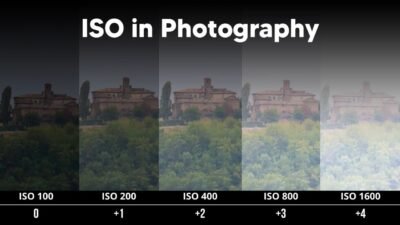
- ISO
Changing your shutter speed changes the amount of light reaching the sensor. You can then adjust aperture or ISO to maintain the exposure you want.
Don’t Treat Shutter Speed as an Isolated Setting
If you increase your shutter speed and the image becomes too dark, you have several options.
You could open the aperture, increase ISO, or add more light to the scene.
Understanding how these settings interact gives you much more control over your camera.
Common Shutter Speed Mistakes
Using a Shutter Speed That Is Too Slow
One of the most common beginner mistakes is using a slow shutter speed without realizing it.
The photograph may look fine on the camera’s screen but appear blurry when viewed at full size.
Using Extremely Fast Shutter Speeds Without Enough Light
The opposite problem can also occur.
A very fast shutter speed can make an image significantly darker when there isn’t enough available light.
Always consider the lighting before choosing an extremely fast shutter speed.
Forgetting About Subject Movement
Even if you can hold the camera perfectly still, your subject may move.
When photographing people, animals, or action, consider how quickly your subject is moving rather than focusing only on camera shake.
A Simple Way to Practice Shutter Speed
Photograph the Same Subject at Different Speeds
Choose a moving subject, such as a person walking, flowing water, or a moving vehicle.
Take several photographs using different shutter speeds.
Compare the images and observe how the movement changes.
Learn by Looking at the Results
Instead of memorizing a specific shutter speed for every situation, pay attention to what happens when you change it.
Over time, you’ll develop an understanding of which settings are appropriate for different types of photography.
Final Thoughts
Shutter speed controls how long your camera captures light and plays a major role in how movement appears in your photographs.
Fast shutter speeds can help freeze action, while slower shutter speeds can brighten an image or create intentional motion blur.
The best shutter speed depends on your subject, lighting, focal length, camera stability, and creative goal. Once you understand how shutter speed works with aperture and ISO, you’ll have much more control over the photographs you create.